Rotary Airlock Valves (RAVs)
Precision Solutions for Bulk Material Handling
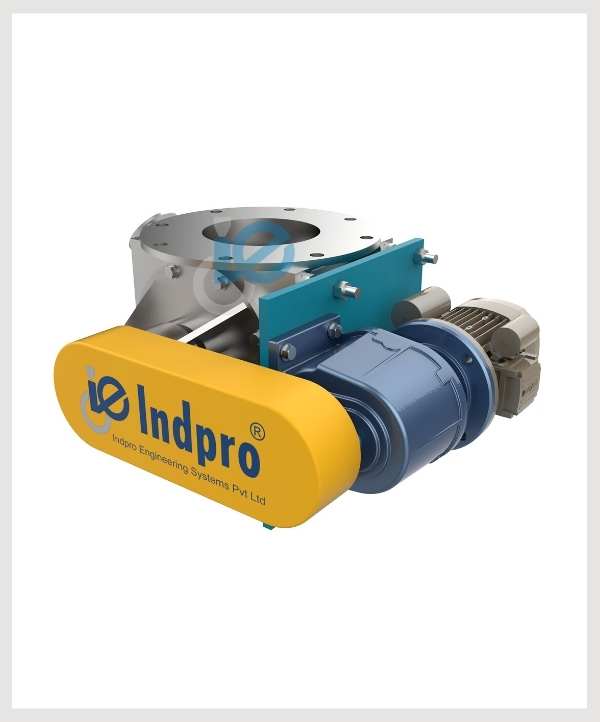
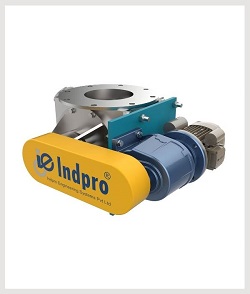
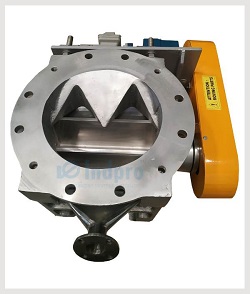
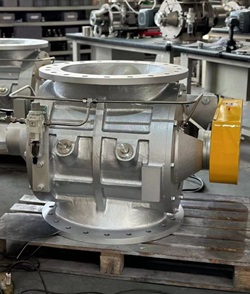
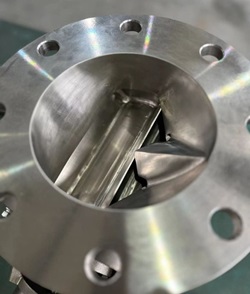
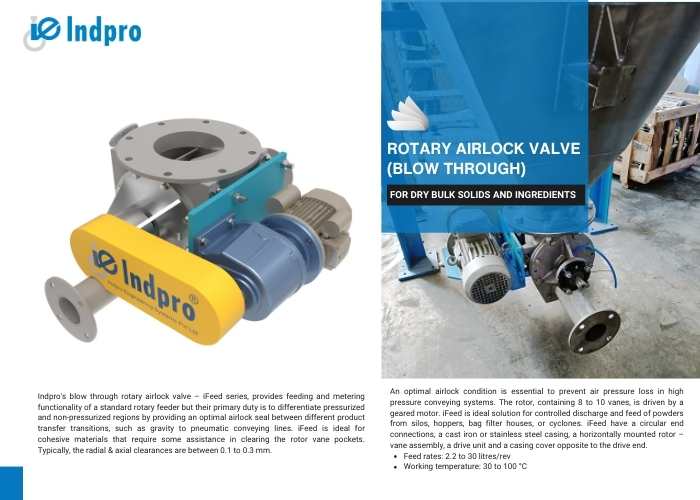
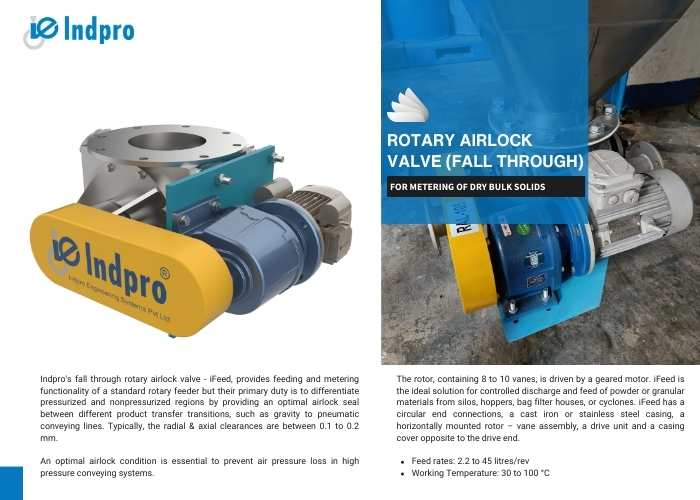
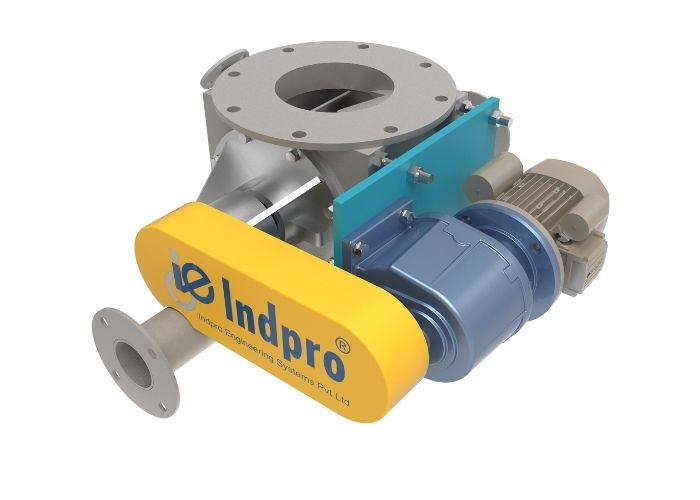
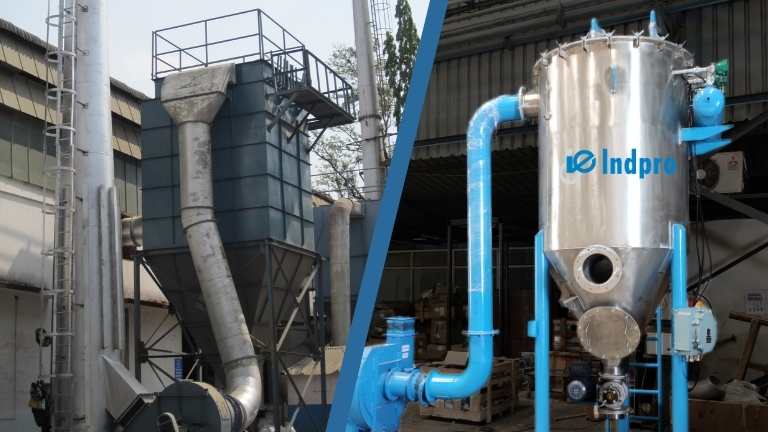
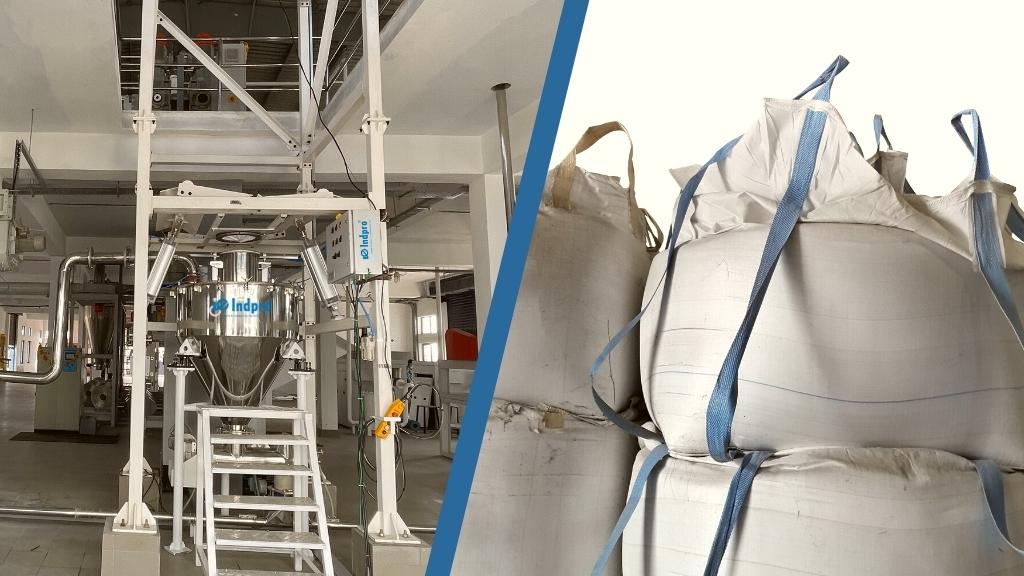
Rotary Airlock Valves (RAVs) play a key role in bulk solids handling systems. They control the flow of powders, grains, pellets, and other dry materials from equipment such as silos, hoppers, cyclones, or filters, while maintaining pressure stability in pneumatic conveying lines. By preserving the airlock, these valves help reduce dust escape, prevent pressure fluctuations, and support efficient and reliable material transfer.
Different industries have different requirements for airlock valves. To address this, RAVs are available in three primary designs: Blow Through, Fall Through (Drop-Through), and Quick Clean. Each is optimized for a particular use case but shares the same focus on efficiency, reliability, and durability.
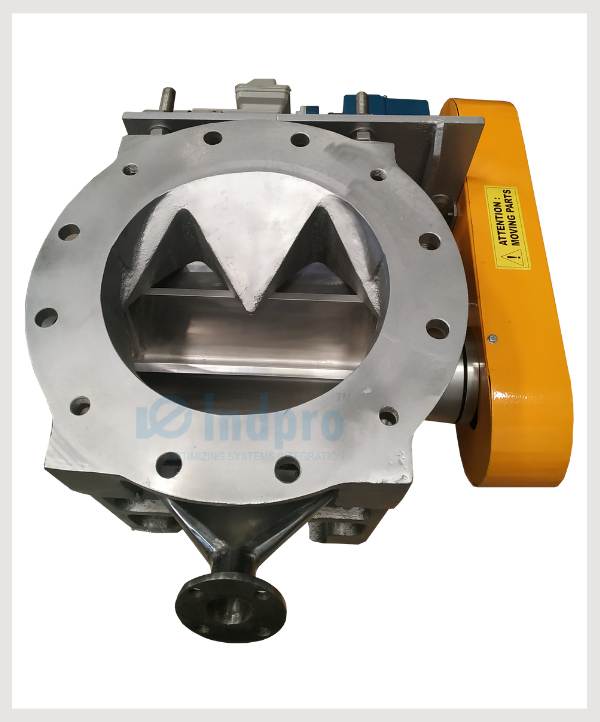
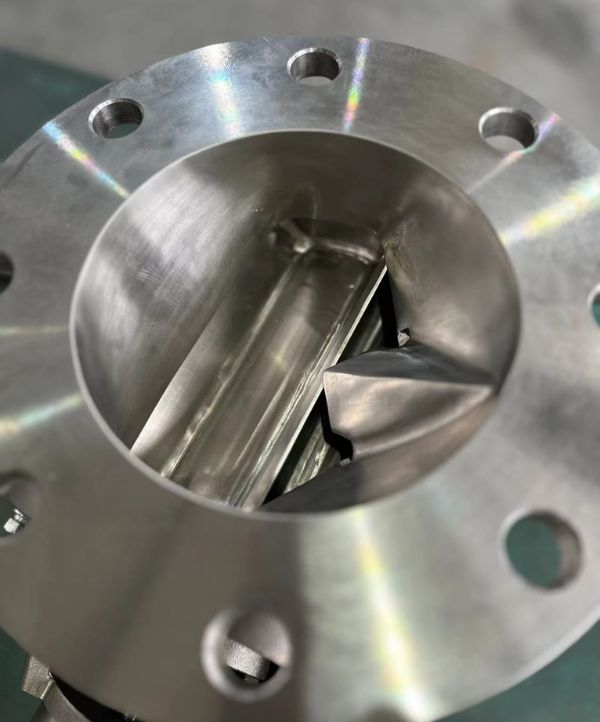
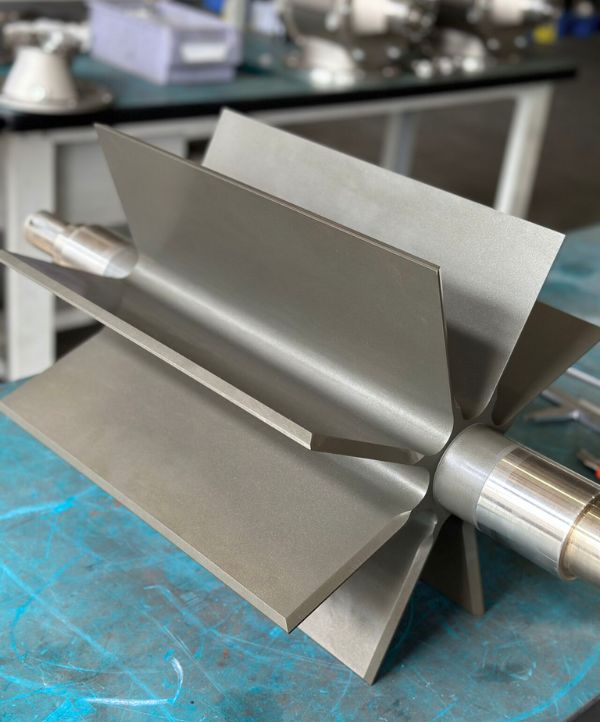
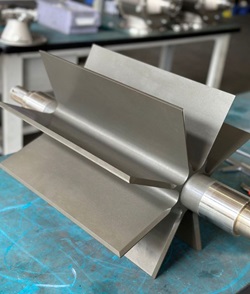
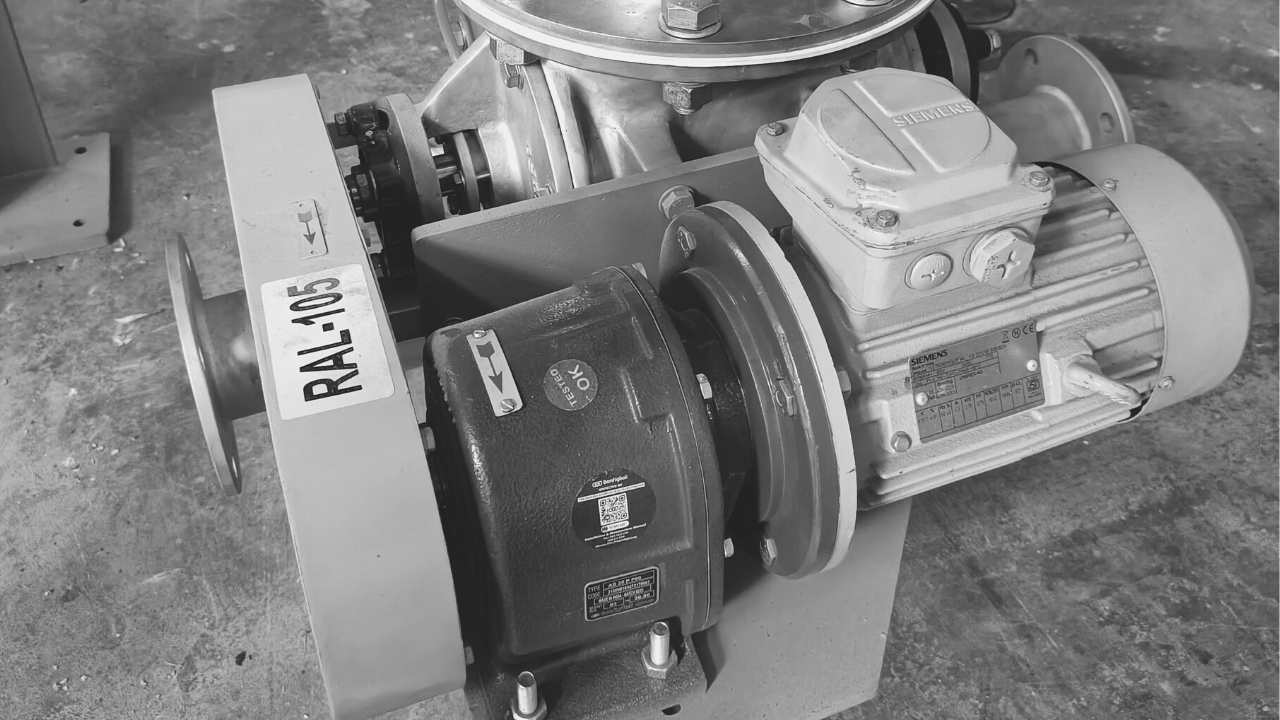
The iFeed series has been developed for use in demanding conveying conditions where precision and durability are essential. These valves are built with rotors containing 6 to 10 vanes, powered by a geared motor, ensuring smooth and consistent discharge.
Their feed rates typically range from 0.6 to 94 liters per revolution, and they are engineered to operate effectively at temperatures between 30°C and 100°C with standard construction.
Constructed from
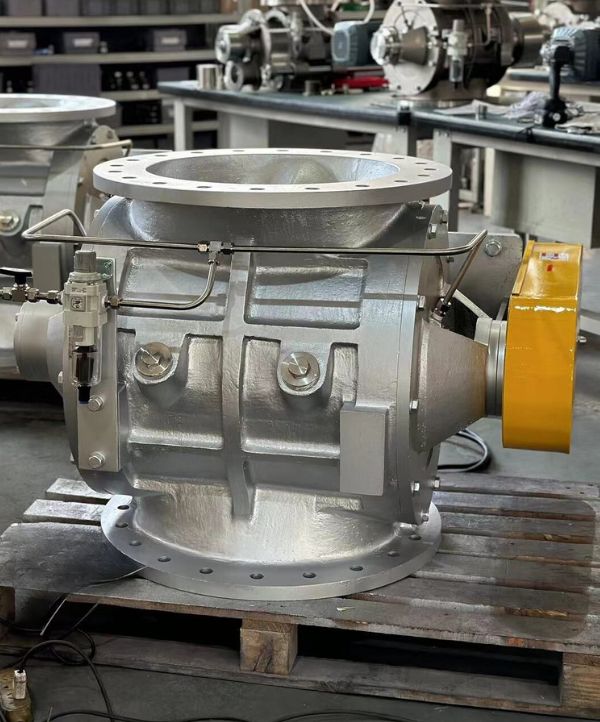
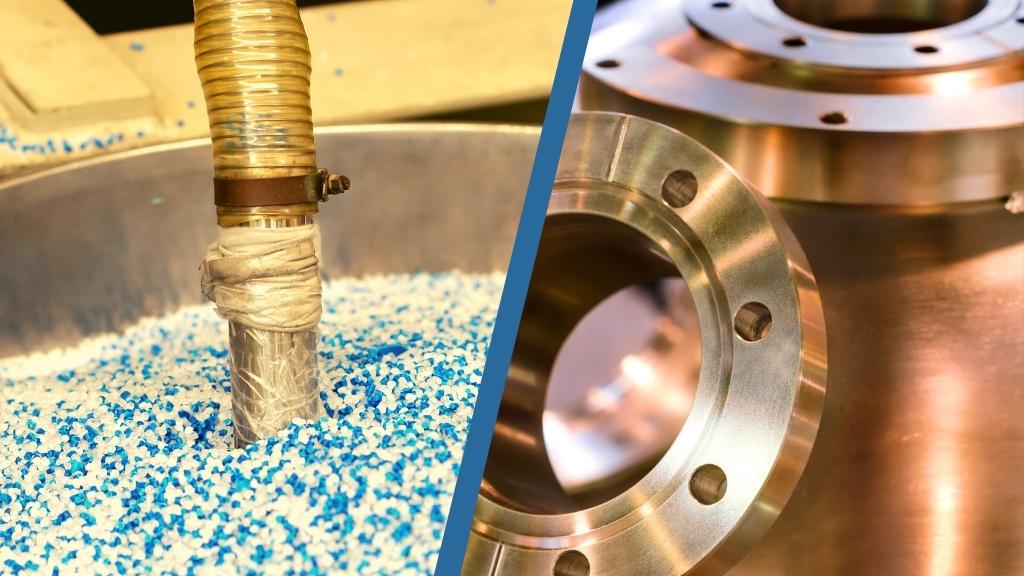
cast iron or stainless steel, with circular or square flanged connections and an easily serviceable drive unit, they integrate seamlessly into a variety of conveying systems while requiring minimal maintenance.
Product Features
Advantages
- Precision machined to actual operating temperatures for a tight seal
- Outboard mounted, maintenance-free bearings
- Conveying line adapters and pocket venting options
- Custom side seals and air purging for longer shaft seal life
21+years of
Automating your control feed

Looking for something more?
Our Rotary Air Lock Valve can very well be integrated with other system solutions we offer. You can speak with our experts to know more about how we can integrate it with our Pneumatic Conveying Systems, Air Pollution Control Systems or Bulk Solids Handling Systems.
CONTACT USDownload Brochure

Related Products
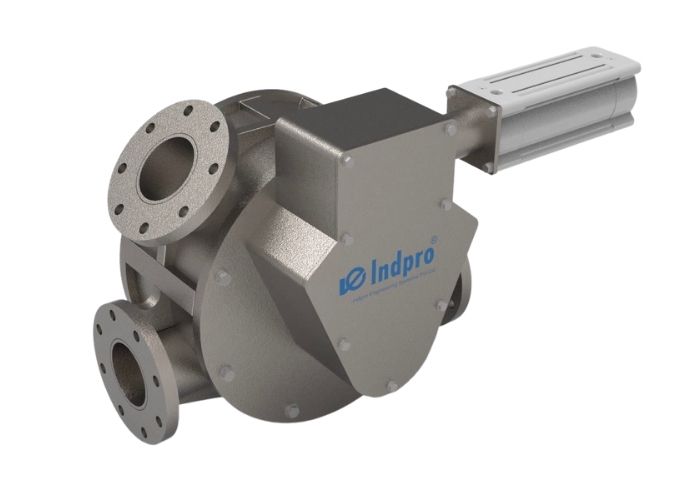
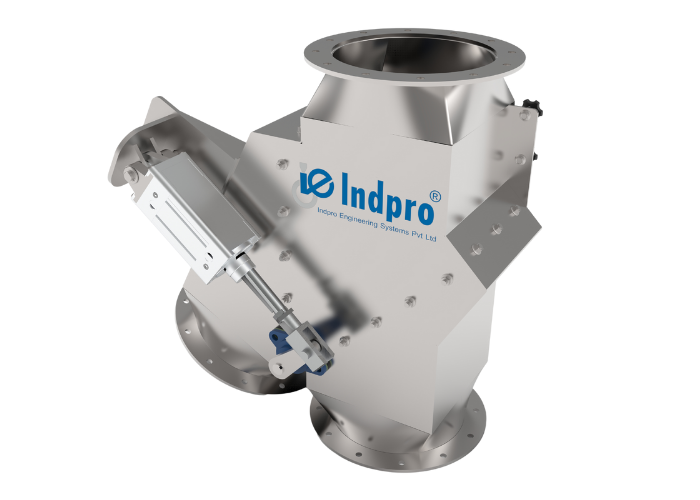
There are many more products and systems which you can explore
A company involved in project, service, consultancy
+91 75 0707 7118

Rotary Airlock Valve FAQ's
The size of rotary airlock valve to be selected depends on several factors, including the flow rate, pressure drop, material properties of the powder or granules being handled and many more. It is important to consult with our expert to determine the right size for your application.
Maintenance of a rotary airlock valve includes regular inspection, cleaning, checking for proper operation and wear of the rotor, lubrication of the bearing surfaces and condition of the sealing mechanism. It is important to follow the manufacturer's recommendations for maintenance to ensure proper operation and longevity of the valve.
Common problems with rotary airlock valves include wear and tear, clogging, and material build-up in the rotor pockets, seal leakages and bearing failures. To fix these problems, the valve should be cleaned and inspected, and any worn or damaged parts should be replaced.
Industry standards for rotary airlock valves vary by application and industry, but some common standards include ASTM and ISO specifications for materials, dimensions, and performance. It is important to consult with our expert and follow the relevant industry standards for your application.
Latest blog post
We would love for you to know more about what goes behind designing of our systems and our considerations for the various industries we cater to.



Our Other Brands





Indpro
Typically replies within an hour
Send Enquiry